

Choose plants that suit your garden
Knowing the plants that suit your garden is essential to good planning and great gardens. It helps you choose plants that will thrive and make the most of your garden and investment.
[caption id="attachment_3796" align="aligncenter" width="640"]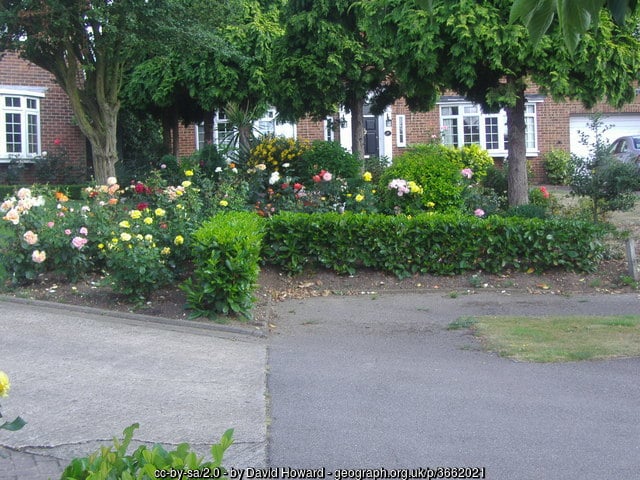 Choosing plants that suit your garden make an easy and lovely show, just like this rose bed in a shaded and fairly dry front garden in Long Ditton. David Howard, Geograph.[/caption]
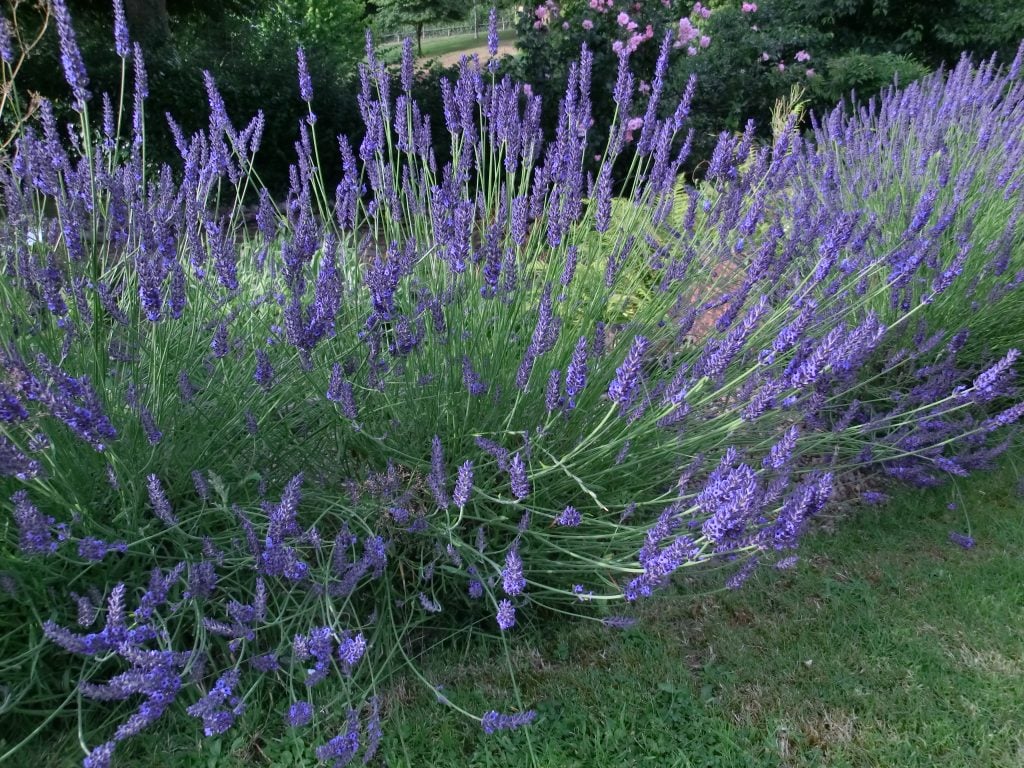 Plants that suit your garden if it is dry and sunny must include lavender. Sarah Buchanan, Roadwater, 2016.[/caption]
The key to planning a great garden is to choose plants that will suit the soil, the aspect and the space you have on offer. So find the plants that suit your garden and plan to make the most of them.
Plants that suit your garden if it is dry and sunny must include lavender. Sarah Buchanan, Roadwater, 2016.[/caption]
The key to planning a great garden is to choose plants that will suit the soil, the aspect and the space you have on offer. So find the plants that suit your garden and plan to make the most of them.
Choosing plants that suit your garden make an easy and lovely show, just like this rose bed in a shaded and fairly dry front garden in Long Ditton. David Howard, Geograph.[/caption]
Finding plants that suit your garden
Across your garden you need to know:- the pH of the soil. Use a DIY soil testing kit available in garden centres to find out how acid or alkali the soil is. The RHS explain how to do it and offer a soil testing service for a more accurate result.
- the texture of the soil: feel it to find out if it is sandy or stony, sticky (that’s clay) or fibrous (with lots of leaf mould and compost mixed in – ideal!)
- how wet or dry the soil is (that will vary across the garden)
- how much shade there is (and that will vary according to trees, fences or shed)
- how much space there is.
Plants for damp and wet (not waterlogged) areas
These areas are often shady too so they are a challenge. Few of us have the space for Gunnera manicata - the big leafed plant that looks like a giant rhubarb that we see in Victorian parks and gardens beside ponds and stream. Down on the ground in damp areas we can all enjoy its cousin: Gunnera magellanica. A lovely little plant that covers the ground with glossy green leaves. Ferns, such as Asplenium, love damp conditions and their structure can help lift an otherwise gloomy area, but they are not everyone’s cup of tea and in a hard winter can look sad. So look for something that suits you on this RHS video which is filled with advice on what to choose and how to make the most of a very damp and shady spot.Plants for hot, dry and sunny spaces
The challenge here is keeping the wrong plants alive, so choose plants that like hot sun! The RHS has produced a handy guide to help you choose the right plants. If your garden has a lot of hot, dry and sunny spots, take it with you when you go shopping! For me, the best plant for these areas has always been lavender. With other grey leaved ‘Mediterranean’ plants it’s a must have for the summer. Bring it on! [caption id="attachment_3795" align="aligncenter" width="665"]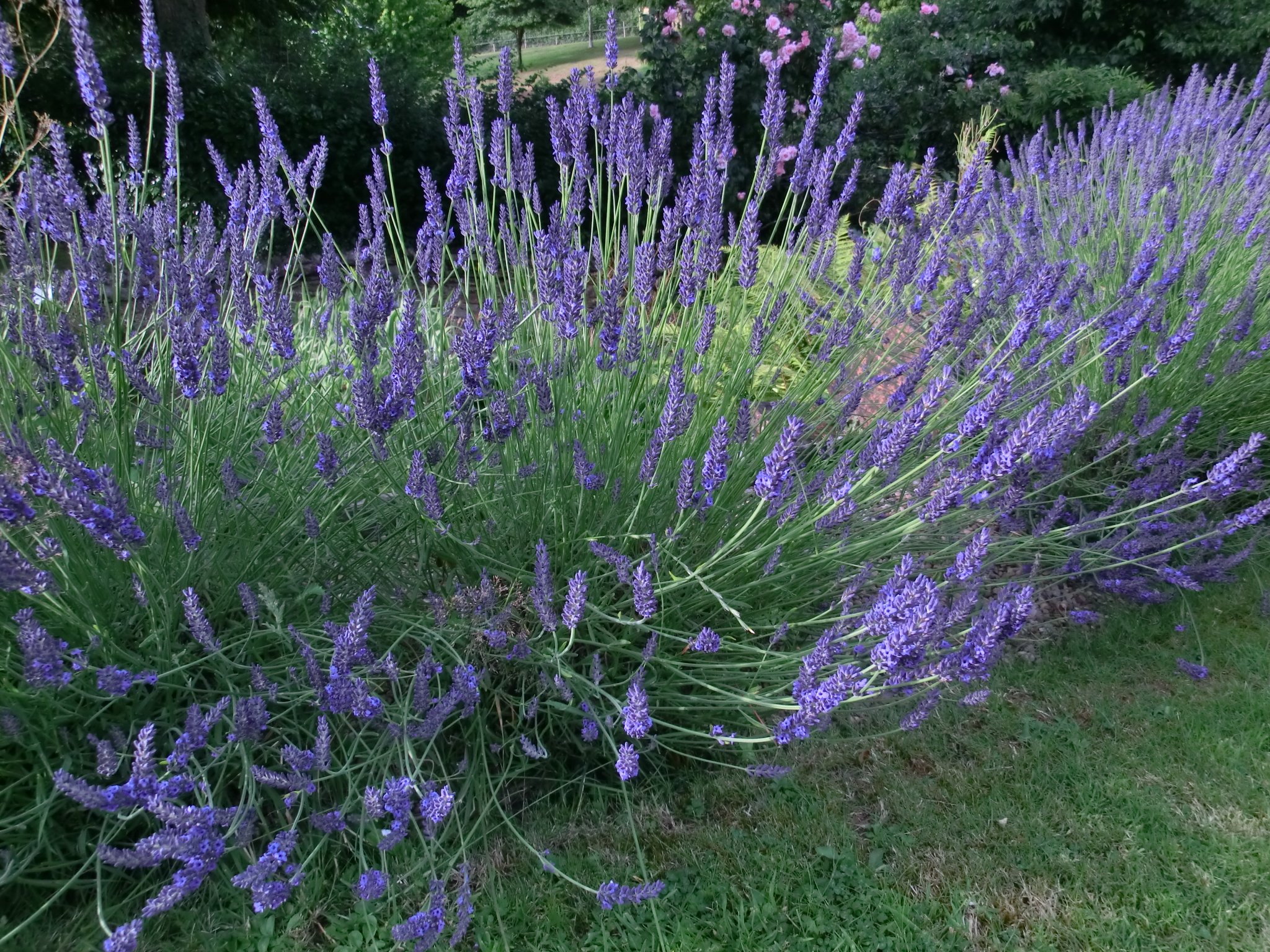 Plants that suit your garden if it is dry and sunny must include lavender. Sarah Buchanan, Roadwater, 2016.[/caption]
The key to planning a great garden is to choose plants that will suit the soil, the aspect and the space you have on offer. So find the plants that suit your garden and plan to make the most of them.
Plants that suit your garden if it is dry and sunny must include lavender. Sarah Buchanan, Roadwater, 2016.[/caption]
The key to planning a great garden is to choose plants that will suit the soil, the aspect and the space you have on offer. So find the plants that suit your garden and plan to make the most of them.